

Colombia is a country of motorcycles. The streets are a diverse parade of motorcycles, from the sleek and modern to the rugged workhorses. In this country, motorcycles are not just a hobby; they’re an important mode of daily transportation. The bustling streets, though crowded, operate on a rhythm of mutual respect and purpose. As a motorcyclist, you quickly learn to navigate this dynamic, finding your place among the local commuters.
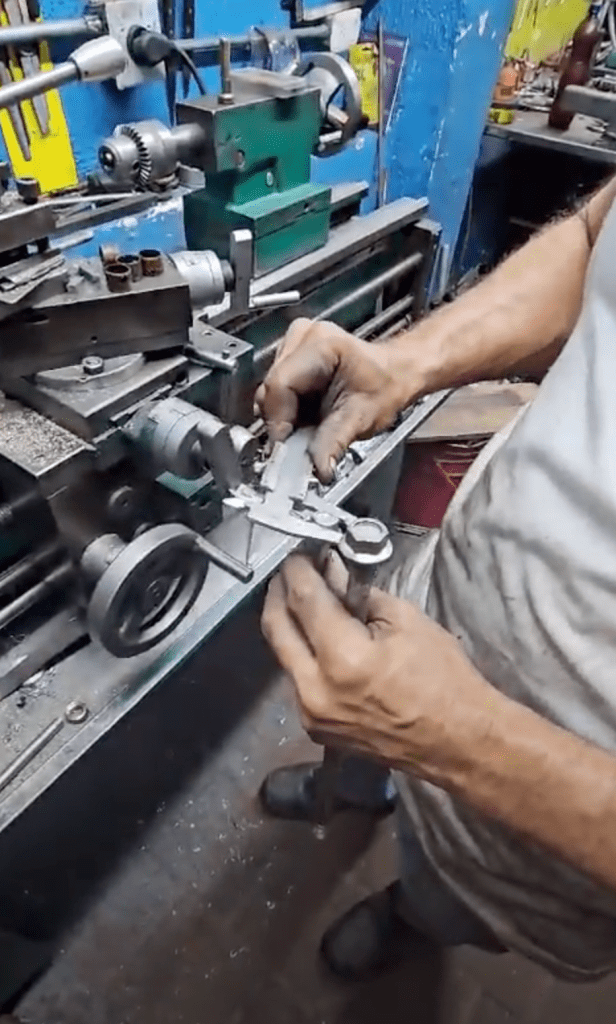
The Colombian people are exceptionally welcoming and supportive. During our travels, we encountered mechanical issues, and it was common for drivers to offer assistance, spare parts, or even a ride to the nearest repair shop. In one instance, a mechanic went above and beyond, fabricating a makeshift part for us well after business hours to make sure we could continue our journey.

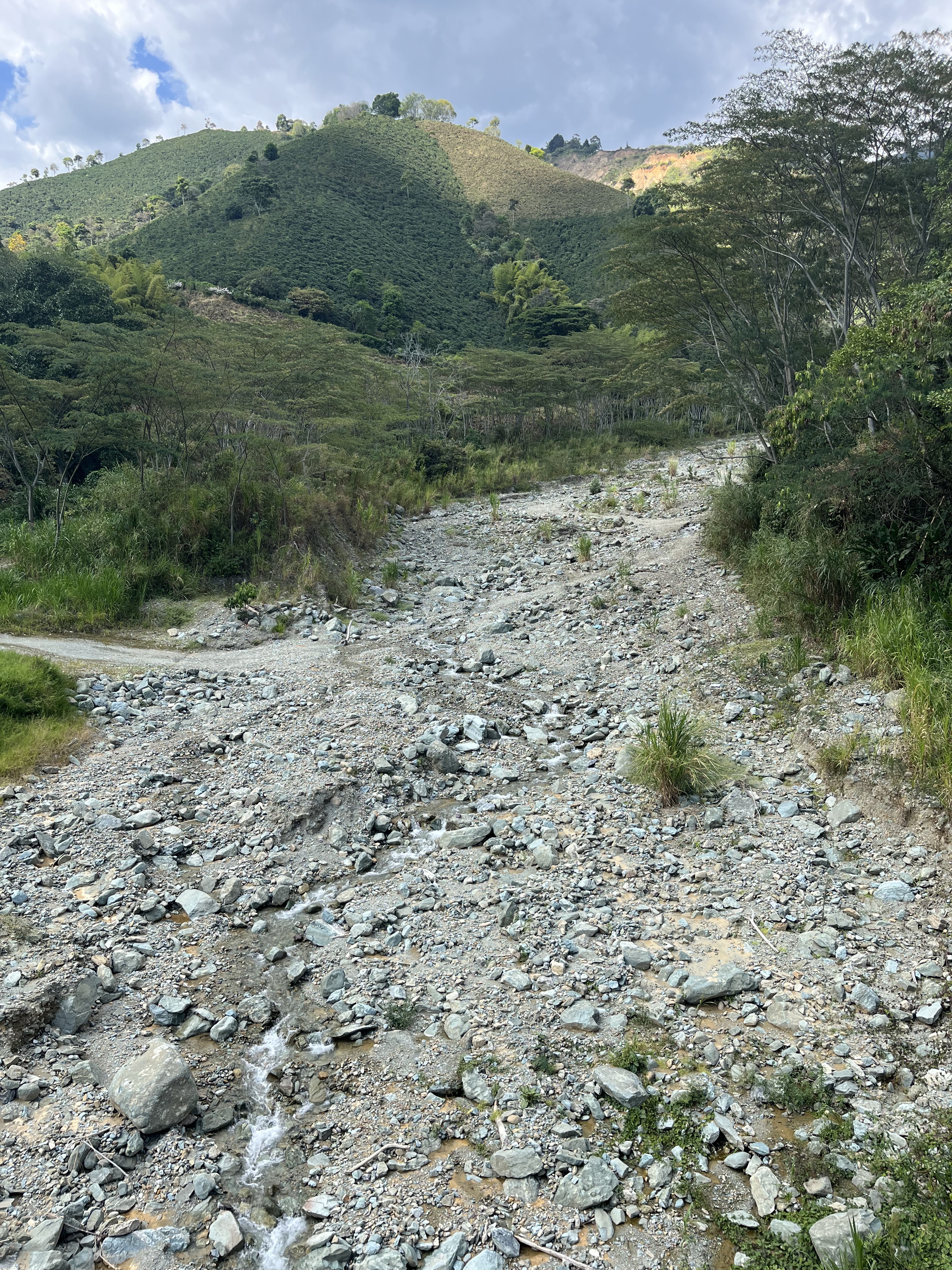

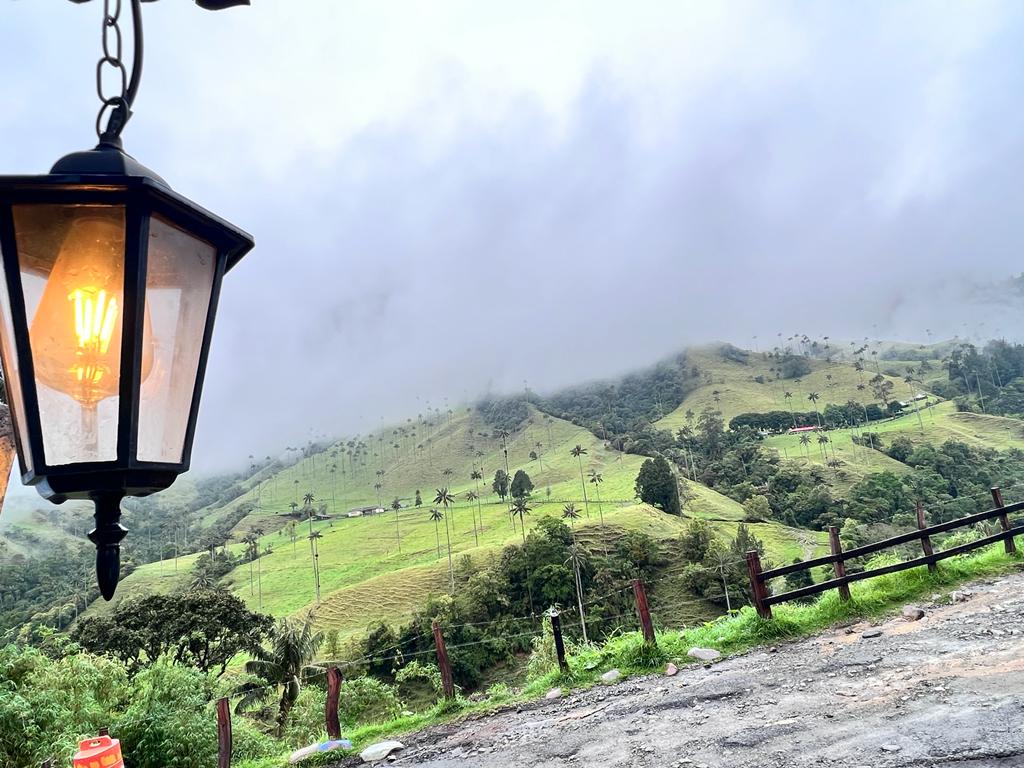

The riding experience in Colombia can be tailored to any preference. The network of roads offers a dual experience: the comfort of smooth asphalt cruising and the thrill of navigating extensive dirt paths and single track, interspersed with brief returns to paved roads. Our experience struck a balance between the two, mixing the ruggedness of dirt paths with the comfort of paved roads for our breaks. Sticking to the paved roads leading up the mountains, you’ll find the winding turns a thrilling experience. Traffic rarely impedes your journey, with only the occasional need to slow down for local buses and trucks. Beyond these brief pauses, the road opens up, allowing you to navigate the curves at a speed that is fun and exhilarating.

The off-road paths often link villages and small towns nestled at different elevations, creating a scenic yet rugged route. Navigating through challenging dirt sections might make you feel adventurous, but it’s common to be outmatched by local riders. These skilled locals effortlessly maneuver smaller bikes with one hand while chatting on their phones, showcasing their adeptness. On these routes, encountering large local buses is typical. Despite their size, taking up most of the road, these buses skillfully make way, allowing you space to pass.
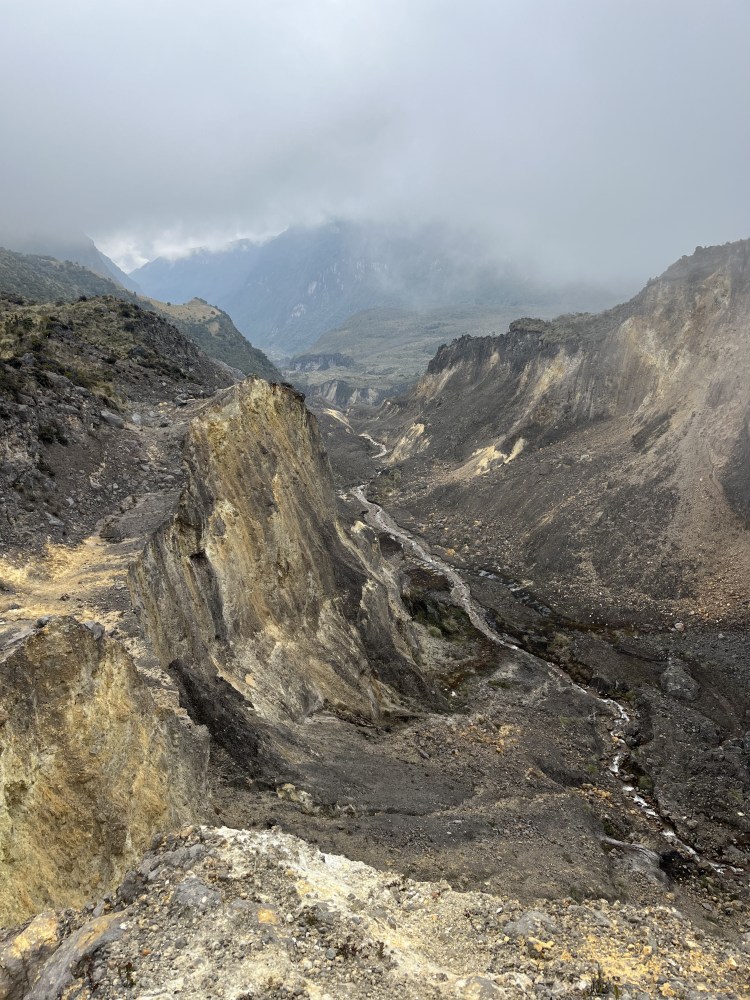
As you traverse different elevations, the temperature can vary dramatically. Our journey saw us starting mornings in the mountains at a brisk 14°C (57°F) and winding down in the valleys at a balmy 38°C (100°F). The chilliest moment was at the peak of the Nevado del Ruiz volcano, where the mercury dipped to a cool 6°C (43°F). Just as swiftly, the weather can shift from rain to sunshine, with each turn bringing a new climate. The roads dry quickly under the sun, while the dense forests maintain their moisture, keeping the trails damp longer.
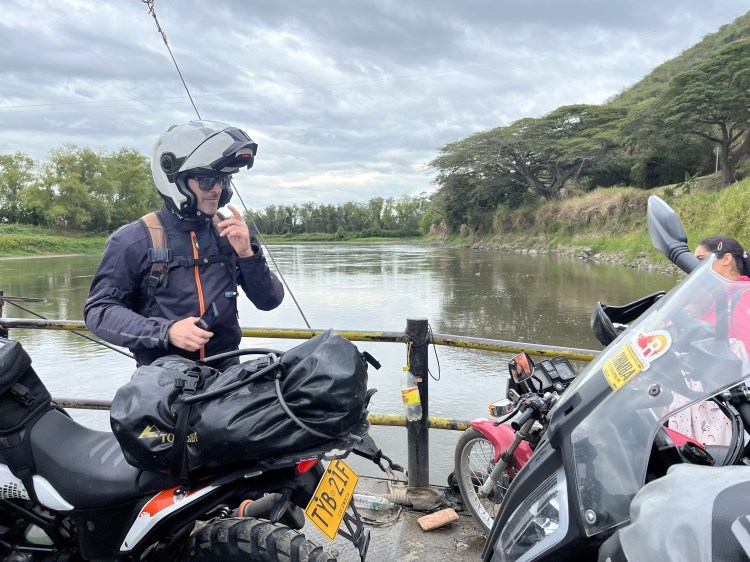
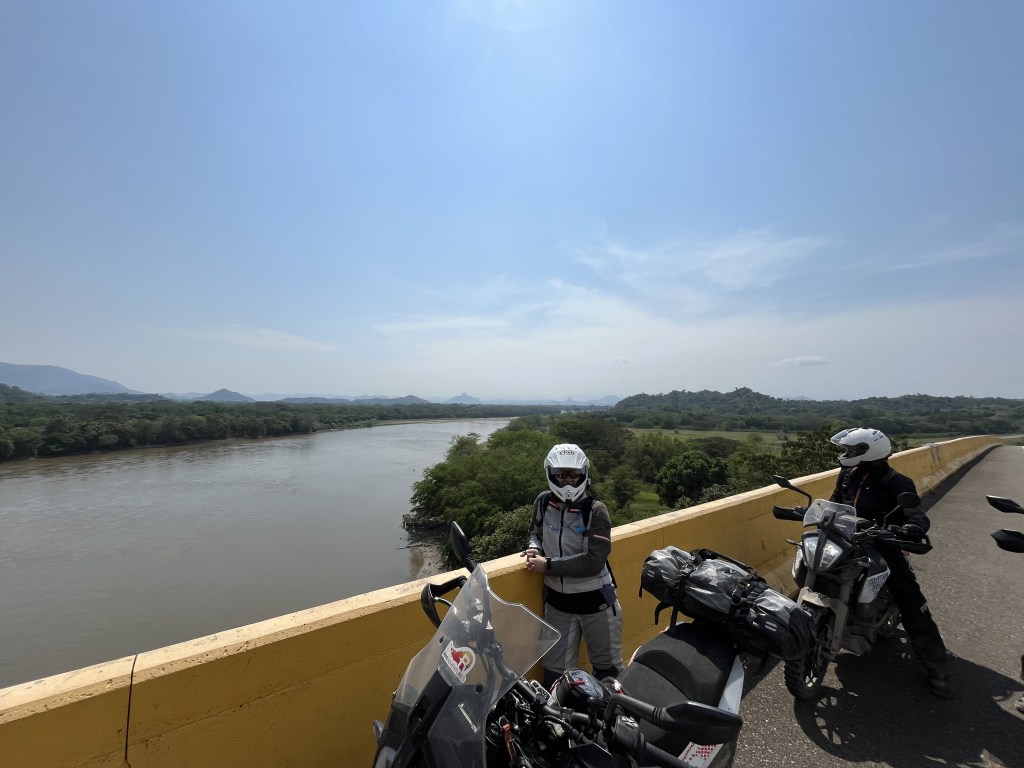
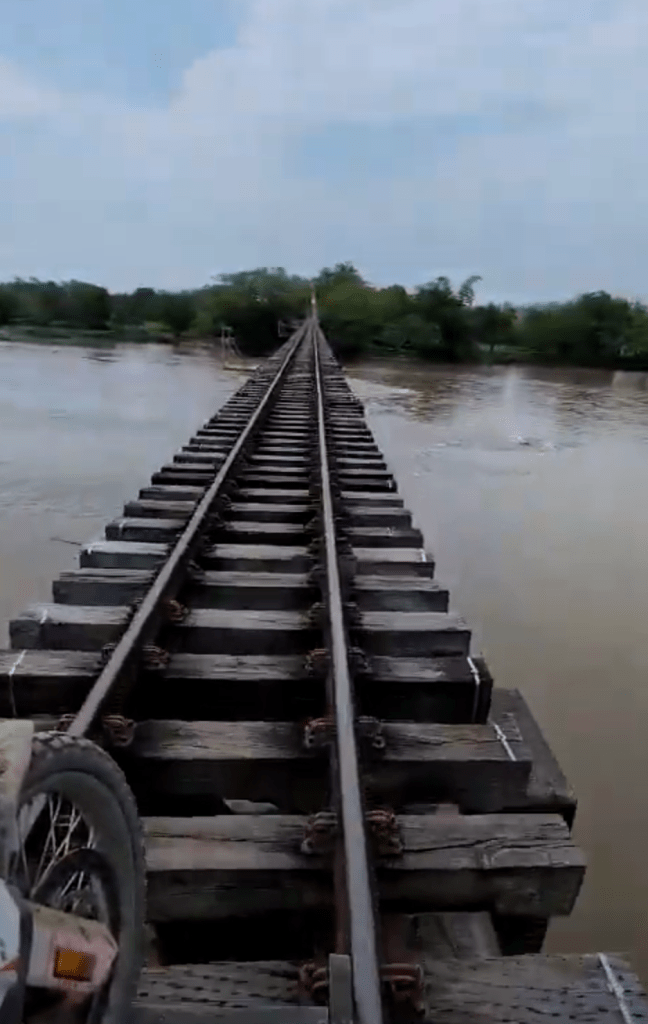
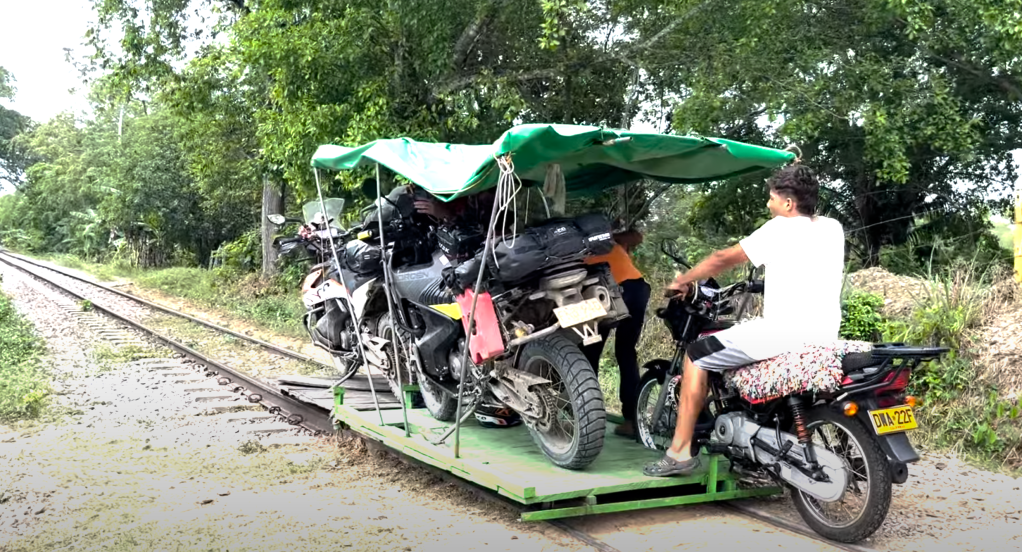
Among the most memorable parts of our trip were the water crossings. Colombia is home to three major rivers, and we crossed each in a unique manner. Our first crossing was on a quaint, small, ferry; a charming and intimate experience. The second crossing was an adventure in and of itself, involving a platform that moved along a train bridge, ingeniously powered by a small motorcycle. The final river crossing was via a conventional bridge, offering a more traditional but equally scenic journey.
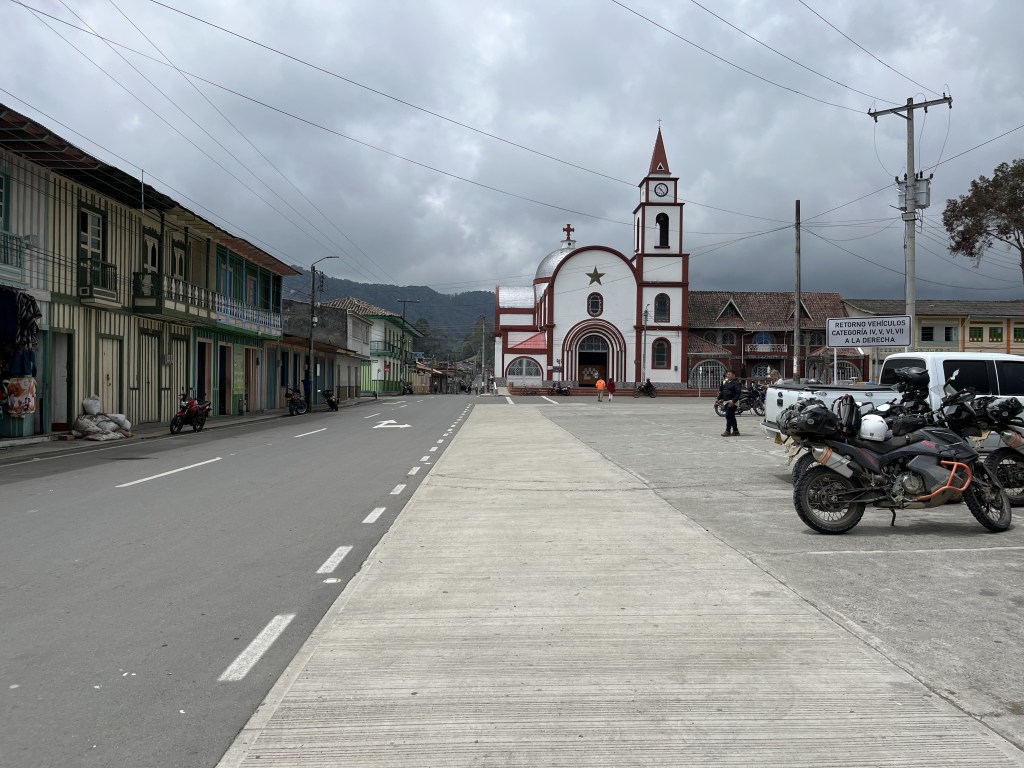
The architecture and layout of Colombian towns are impressive, with each location, whether nestled in a valley or perched on a mountain, reflecting a strong sense of community and resilience. Towns like Murillo stand out with their vibrant and colorful buildings, adding a visual appeal to their geographic uniqueness.
For non-Spanish speakers, a local guide is indispensable. They serve as cultural interpreters, helping navigate the nuances of local interactions and bridging any gaps left by translation tools.
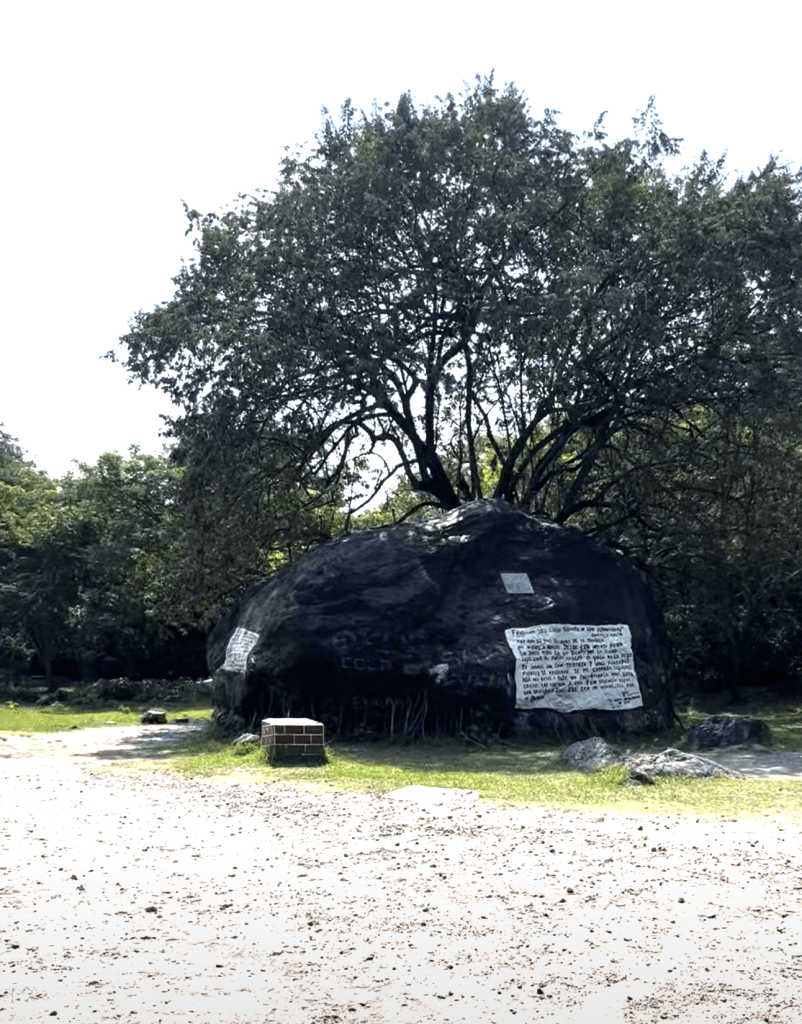
One segment of our journey that resonated deeply with us was passing through the haunting landscape of Armero. This town was once vibrant and full of life, nestled in the shadow of the Nevado del Ruiz volcano. In a tragic twist of fate reminiscent of ancient Pompeii, Armero was devastated in 1985 when the volcano erupted. Much like when Vesuvius sealed Pompeii in ash, Nevado del Ruiz unleashed a destructive volcanic mudflow, called a lahar, that buried Armero under a deluge of mud and debris. In a single night, the lahar obliterated the town, a cataclysm that claimed approximately 23,000 lives. A disaster similar in suddenness and impact to Pompeii’s end in 79 AD. The silence of Armero now speaks volumes, echoing the eerie calm that follows nature’s fury, and the resilience of life as greenery slowly reclaims the land.
The gastronomic scene is delightful, with local eateries surprising patrons with exceptional flavors, from authentic pizzas to meats cooked to precise preferences, and a variety of uniquely prepared pasta dishes.
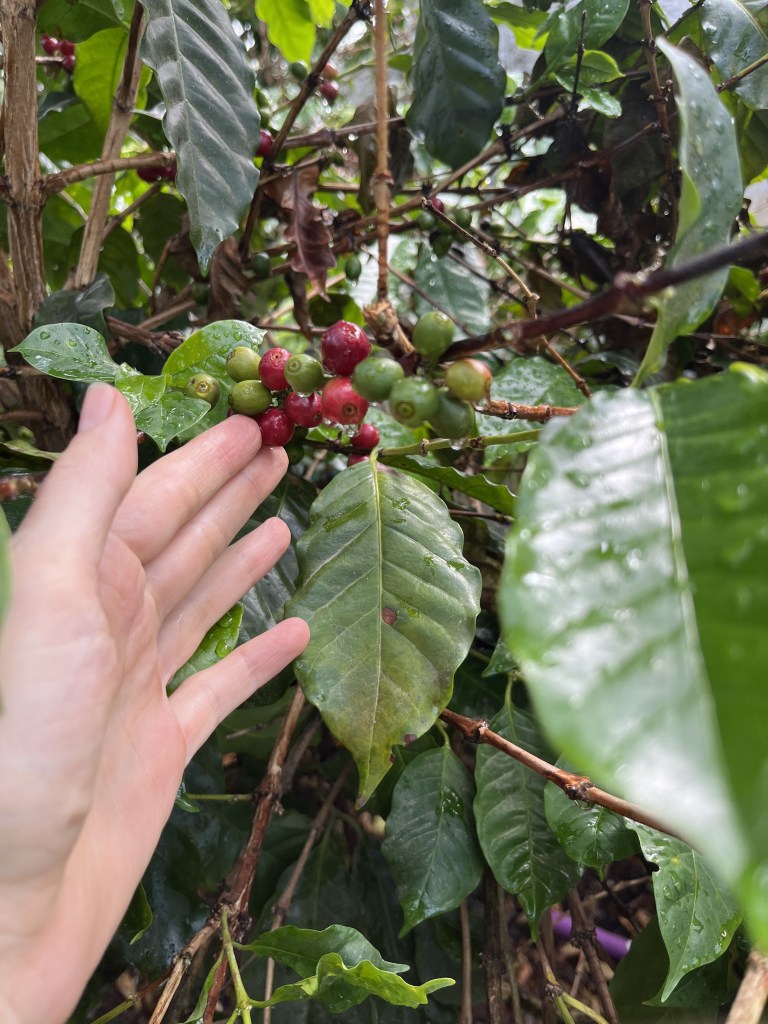
Colombia’s connection to coffee is profound. It’s a nation where over 600,000 coffee farmers diligently cultivate their crops, contributing significantly to both the national and global coffee markets. In 2019, these farmers accounted for nearly ten percent of the world’s coffee production. Despite technological advances, Colombian coffee harvesting remains a predominantly manual process, preserving the authentic flavor that is revered worldwide. This commitment to tradition allows for unique coffee experiences, such as sipping on sparkling water infused with locally sourced coffee honey.
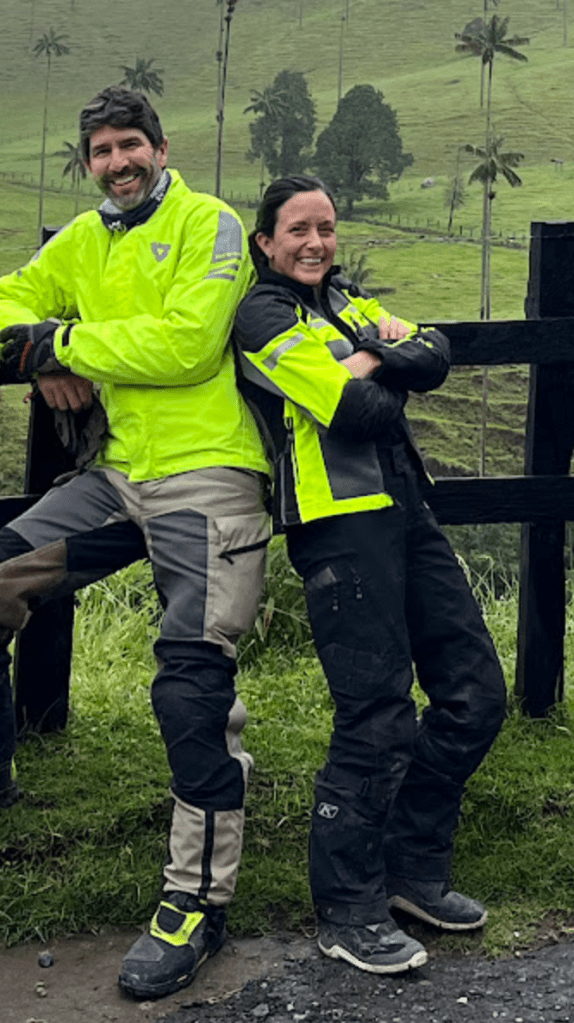
We are grateful to EpicoMoto Adventures, and Jocelin Snow who was our guide, for the extraordinary opportunity to explore Colombia’s diverse landscapes, savor its culinary offerings, and immerse ourselves in its rich culture.
February 2024
 LanaOnWheels